Terraforming the Cloud: Revolutionizing Efficiency with IaC and DevOps
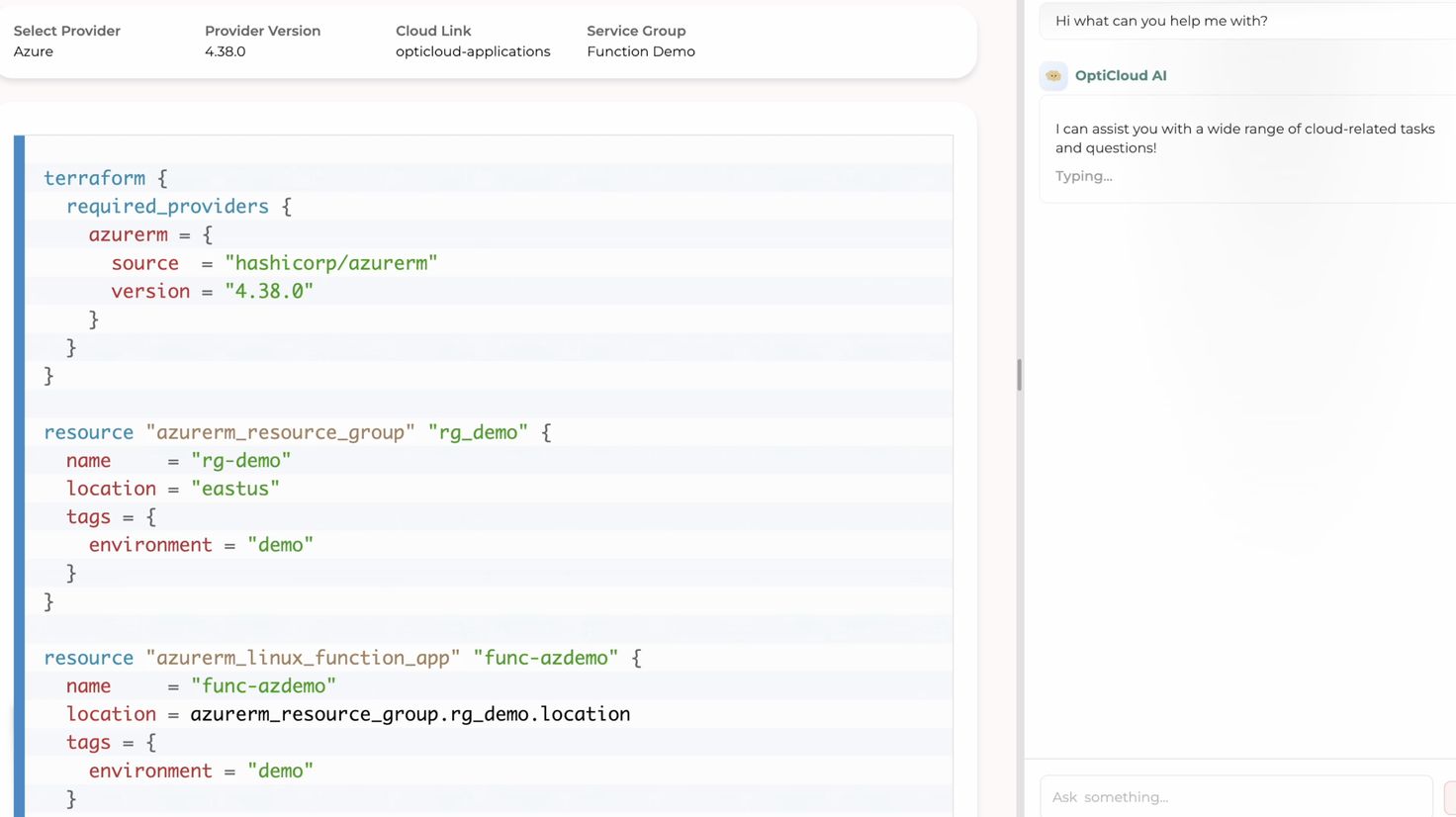
In the vast expanse of the digital universe, a transformative force is reshaping the landscape: Infrastructure as Code (IaC), particularly through tools like AWS Terraform and Azure Terraform. This powerful technology is revolutionizing how we deploy and manage cloud resources, promising not just unprecedented efficiency but also a sustainable path forward in our quest for green computing.
Let's delve into how IaC, combined with DevOps practices, is sculpting a more efficient and environmentally friendly cloud ecosystem.
The Dawn of IaC: A New Paradigm in Cloud Computing
Infrastructure as Code is the linchpin of modern cloud strategies, turning the manual, cumbersome process of hardware setup and configuration into a streamlined, automated affair. With IaC:
- Infrastructure is defined through code
- Deployments become rapid and consistent
- Scaling and management are simplified
AWS Terraform and Azure Terraform stand out as frontrunners, offering:
- A declarative approach to provisioning resources
- Cross-cloud support for multi-provider environments
This accelerates development cycles, ensures compliance, and lays the foundation for cloud efficiency and sustainability.
Terraform and the DevOps Revolution
At the intersection of IaC and DevOps, Terraform becomes a catalyst for transformation. DevOps practices aim to:
- Unify development and operations
- Improve agility, collaboration, and reliability
Terraform amplifies this by:
- Automating infrastructure management
- Enabling CI/CD pipelines that are fast, reliable, and resource-efficient
- Reducing manual errors and provisioning delays
This synergy drives a new era of cloud efficiency, where:
- Resources are allocated based on demand
- Waste is minimized
- Environmental impact is significantly reduced
Sculpting the Cloud for Efficiency
Cloud efficiency goes beyond speed: it's about optimizing resource use and minimizing environmental impact. With AWS Terraform and Azure Terraform, teams gain precise control over infrastructure:
- Create reproducible, scalable architectures
- Adapt to changing needs without over-provisioning
- Eliminate digital waste (underutilized cloud resources)
By combining Terraform with a DevOps framework, businesses can build a leaner, greener cloud infrastructure that supports both operational excellence and environmental sustainability.
More posts

Cloud Computing's Hidden Environmental Impact
Revealing the true environmental cost of cloud services and strategies for sustainable computing.
Clearing the Cloud: The Hidden Environmental Cost of Digital Waste
Exploring the carbon footprint of our digital activities and how cloud optimization can make a difference.

Digital Flames: How Cloud Computing Fans the Fires of Climate Change
How artificial intelligence is both contributing to and solving climate challenges in cloud computing.